Congratulations — You Have Won a Popularity Contest

Being elected to local council is an extraordinary honour.

You stand before the community, take an oath, accept the responsibility entrusted to you and briefly experience the exhilarating delusion that you may now be in charge of something.
It passes.

I arrived at council knowing very little. After nearly four years, I estimate that I now understand approximately 10 per cent of what would make me the Councillor I want to be.

On a particularly good day, in an area I have studied carefully, that may rise to 15 or even 20 per cent.

This places me at a significant disadvantage to people who attended one council meeting, read half a Facebook post and achieved complete mastery of municipal government before lunch and gave me shit about one Council decision.

Fortunately, I do not appear to suffer from Dunning–Kruger syndrome? (If you don’t know what that is click here to find out a little secret – if may change the way your see the world?)

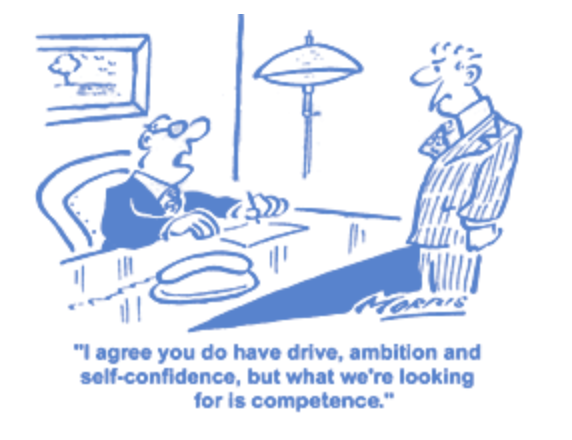
I remain painfully aware of how much I do not know. It is an inconvenient condition in politics, where confidence is often considered a perfectly acceptable substitute for competence.

At first, I assumed Elected Members governed the council.

Adorable.

I soon discovered that Councils are supported by an administrative machine that existed long before any particular councillor arrived and has already worked out how things are done, why they are done and why your suggestion cannot possibly be considered until it has been referred to a committee, examined by another committee and returned eighteen months later as a recommendation to continue doing what was already being done.
I asked questions.

Then I asked again.

Then I discovered one of the essential skills of public office: asking the same question in six different ways until somebody finally identifies the precise person I apparently should have asked in the first place.

My colleagues and I have not always agreed. The Mayor, the Chief Executive Officer, the general managers and I have occasionally looked at the same issue and arrived at different conclusions.

This is known as democracy.

On social media, it is known as corruption, incompetence, conspiracy or Tuesday and a myriad of other names, I, the Mayor, the other elected Members and our competent members of Administration have been called.

Nevertheless, when difficulties arrived, and they certainly did, we kept working. Sometimes we found ourselves standing in the middle of the storm asking the traditional local-government strategic question:

“What the……!”
“You’ve been doing what….!!!!!!!”
“How did this happen….????”
Where do go from here…..?”

The answer was generally: everywhere, immediately, with insufficient money, incomplete records and a community understandably wondering why it had not already been fixed.

Then the State Government postponed the council elections.
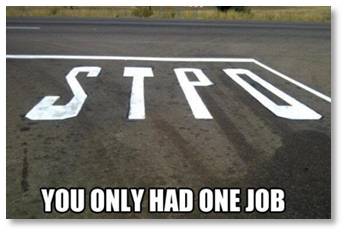
The Electoral Commission, whose specialist field is elections, advised that the election could not proceed as expected. It is reassuring to know that even highly specialised organisations occasionally struggle with the one activity, their one job, mentioned in their name.

Consequently, those of us who won the earlier popularity contest remain in office longer than originally advertised.

There is, however, an important lesson in all this.

When the next election eventually arrives, do not merely complain about the council you have. Put your hand up.

Stand for election.

Bring your knowledge, your criticism, your solutions and preferably a comfortable chair, to pre-read your 200-1000 page agendas, and because the meetings can be lengthy.

I have lived a life of service guided by the principle:
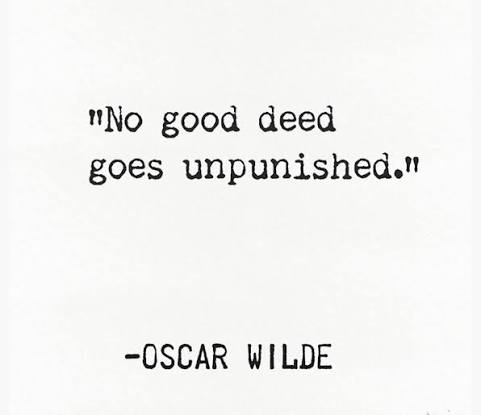
“No good deed goes unpunished.”

So, despite having now discovered exactly how difficult the job is, I may put my hand up again.

Not because I have earned the position.

Not because I deserve it.

And certainly not because local government is an efficient pathway to peace, financial prosperity, popularity or uninterrupted sleep.

I may stand again because walking away would waste the knowledge I have gained, the work still unfinished and the opportunity to do better. Because it would mean walking away from an Administration and group of Executive Leaders who have not just rebuilt but have in the process rebuild themselves and all those around them. And, mostly because our Mayor is known as one of the top 5 Mayors in the State; and she, yes a she, is 35 years old and in her first term and already done more than the previous 2 terms of her predecessors.
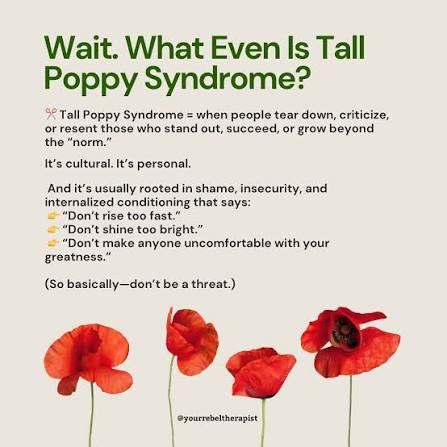
But, don’t worry about that? All ‘tall poppies’ will eventually get torn down by the rumour, innuendo and lies told about her, mostly be the uninformed, the ignorant, the bias and people in our world who don’t want to see it fixed, they just want to complain and be a victim of the infamous ‘they.’ At least the community, well a few can say, they were responsible for creating the government they deserve…..

But the same challenge applies to everyone else.

Do not throw away the opportunity to serve and then complain that nobody suitable volunteered.

Otherwise, after the next election, you may receive precisely the council you deserve. You may find, as it appears some of you have already, that you are being governed by your inferiors? And, you could do a better job. It’s just that you don’t?

I know one thing.

I tried and continue to try, and will try again. What have you done today to put your ‘skin in the game’…. I would suspect a ‘like’ a post or typing a comment from the safety of your keyboard.
The Homeless Bloke, the Indian Dishwasher and the Multi-Million Dollar Industry of Looking Concerned

I don’t normally write like this as I hate badly formatted sentences and paragraphs…. but his is what I wrote when I go home and found I didn’t care about the formatting, the typos, the gramma …. I just had to get a stay that in writing it the hardest thing was looking through the mist in my eyes….. I also like to have pictures to keep you interested, but in this story just make them up in your head……

I was walking home from the pub tonight.

Yes… again.

No, I’m not seeking treatment for that just yet.

On the way home I wandered past the library, which is a magnificent $750,000 public building. You paid for it. I paid for it. We all paid for it.

One bloke lives there.

Not works there.

Lives there.

Under the veranda.

Apparently the architectural plans forgot to include the “Homeless Accommodation” label, but life has a wonderful way of repurposing government infrastructure.

I met him yesterday.

Young bloke.

Sleeping rough.

Not because he wanted to become an “urban minimalist” or “embrace tiny living”, but because life kicked him square in the teeth.

I gave him my card.

Not my council card.

My personal card.

With my personal phone number.

You know… the dangerous thing we’re all told never to do because people might ring you.

He did.

He told me his story.

He’s from Wellington.

Young partner.

Young child.

Another baby on the way.

Got himself into trouble with drugs.

Made some dumb decisions.

So he packed everything he owned that would fit in his arms and came to the Riverland to do something that has almost become a revolutionary concept.

Find work.

Tonight I stopped and had another chat.

“Got a job,” he said.

I smiled.

“What are you doing?”

“Washing dishes.”

At the Indian takeaway.

Thirty bucks an hour.

The owner apparently committed the unforgivable crime of judging someone by whether they were prepared to work instead of which government form they’d completed.

Then came the bit that punched me in the chest.

The owner asked him,

“Do you want cash, or do you want me to keep it aside so you can send money home to your family?”

Read that again.

An immigrant businessman.

Running a takeaway.

Helping a homeless bloke earn money.

Helping him support his family.

Giving him dignity instead of pity.

So I walked into the restaurant.

Introduced myself.

Handed the owner my card.

Told him if he ever needed anything, he could ring me.

Because what he did tonight wasn’t corporate social responsibility.

It wasn’t a strategic initiative.

It wasn’t community engagement.

It wasn’t an action item in a five-year strategic plan.

It wasn’t funded by a grant.

There wasn’t a steering committee.

There wasn’t a governance framework.

There wasn’t a colourful brochure.

There wasn’t a logo.

There wasn’t a KPI.

There wasn’t even a bloody morning tea.

It was just…

Community.

Imagine that.

Meanwhile…

Our town has enough organisations, charities, committees, advisory groups, funded projects, outreach programs, strategic plans and branded SUVs to invade a small country.

Everyone has uniforms.

Everyone has policies.

Everyone has measurable outcomes.

Everyone has annual reports.

Everyone has mission statements.

Everyone has lanyards.

Everyone has matching polo shirts.

Everyone has a Facebook page telling us how compassionate they are.

And somehow…

The homeless bloke still sleeps under the bloody library.

Funny, isn’t it?

The bloke actually fixing the problem isn’t one of the services.

He’s the bloke cooking butter chicken.

I came home tonight feeling strangely hopeful.

Not because we’ve solved homelessness.

We haven’t.

Not because government suddenly became competent.

Steady on…

But because two ordinary blokes quietly reminded me what charity actually looks like.

One had enough courage to ask for work.

The other had enough character to say yes.

No committee.

No consultation.

No twelve-month pilot program.

Just one human helping another.

Earlier today a very dear friend gave me a kick up the backside.

She told me to stop wrestling with gatekeepers, self-appointed community royalty and the people who believe having a street named after them somehow qualifies them to decide the future of everyone else.

She told me my job isn’t to roll around in the mud with them.

It’s to climb higher.

To think strategically.

To lead.

She’s probably right.

Annoyingly.

I hate it when younger people are wiser than me.

It’s deeply inconvenient.

Because lately I have been questioning whether I should simply walk away.

Walk away from council.

Walk away from community politics.

Walk away from trying.

Walk away from people who seem to spend more energy protecting their little kingdoms than building a better town.

Then tonight…

A homeless bloke and a struggling  Indian take away chef reminded me why I started.

Not because communities are perfect.

They’re not.

Mine certainly isn’t.

But because every now and then someone quietly does the right thing when nobody’s watching.

No applause.

No recognition.

No photo in the paper.

No award.

Just humanity.

My mother understood that.

After she died, people I’d never met came to tell me how she’d quietly paid for wheelchairs, helped families, encouraged staff and supported people she barely knew.

She’d sworn them all to secrecy.

That’s charity.

Real charity.

Not the sort that needs an annual report.

The sort that leaves no empty chairs at funerals because so many people loved you.

So maybe that’s my lesson tonight.

Maybe communities aren’t saved by strategies.

Maybe they’re saved one dishwasher, one conversation and one act of quiet kindness at a time.

Mind you…

If anyone from one of our forty-seven funded community organisations is reading this, don’t panic.

I’m sure there’s already a working party being established to investigate whether washing dishes aligns with the Community Wellbeing Framework 2030.

There’ll probably be a consultation.

Three consultants.

A logo.

A strategic action plan.

And if we’re lucky…

By about 2029…

Someone might remember to ask the homeless bloke what he actually needed.

He already told us.

He needed a job.

One bloke listened and gave him a job, which he probably could have done himself for nothing…. but the bloke who was trying needed a hand…….

Everyone else was busy measuring compassion, virtue signalling and redesigning their corporate logo…..

Berri Barmera Council – Two Plans, One Community and a Few Uncomfortable Truths

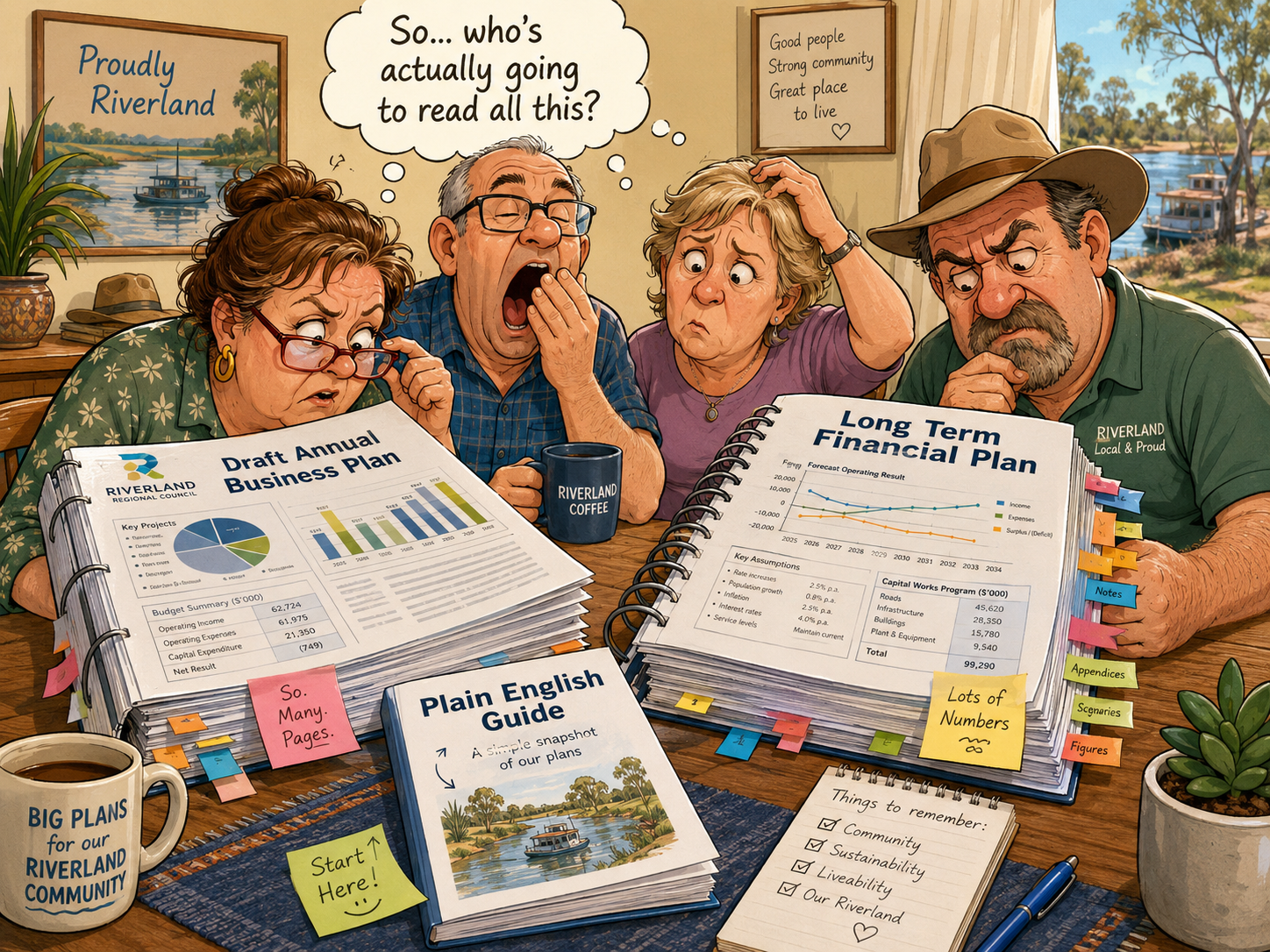
Before anyone reaches for the keyboard, takes a deep breath and types something they may later regret, I have prepared two short community guides explaining the Berri Barmera Council’s Draft Annual Business Plan and Draft Long Term Financial Plan.

They are not Council documents.

They are my personal interpretation of the information contained in the official plans, written in plain English for people who probably do not have the time, interest or enthusiasm required to work through pages of budgets, depreciation, asset renewal figures and financial forecasts.

That is not a criticism. Most people have lives to live, families to look after, businesses to run and bills of their own to pay.

The Annual Business Plan is essentially about what Council proposes to do during the next financial year, what services and projects it intends to provide, and how those things will be funded.

The Long Term Financial Plan asks the larger and more uncomfortable question:

Can we afford the future we are planning?

Neither document makes particularly light reading. They deal with rate increases, debt, roads, buildings, wastewater infrastructure, staff costs, depreciation and the growing cost of maintaining assets built by previous generations.

There is no secret pool of money hidden behind the Council chamber.

Every service costs something. Every asset eventually needs repairing or replacing. Delaying maintenance generally does not make it cheaper, and doing nothing is still a decision, often an expensive one.

That does not mean residents should simply accept everything placed before them. People have every right to question the figures, challenge priorities, suggest alternatives and tell Council when they believe it has got something wrong.

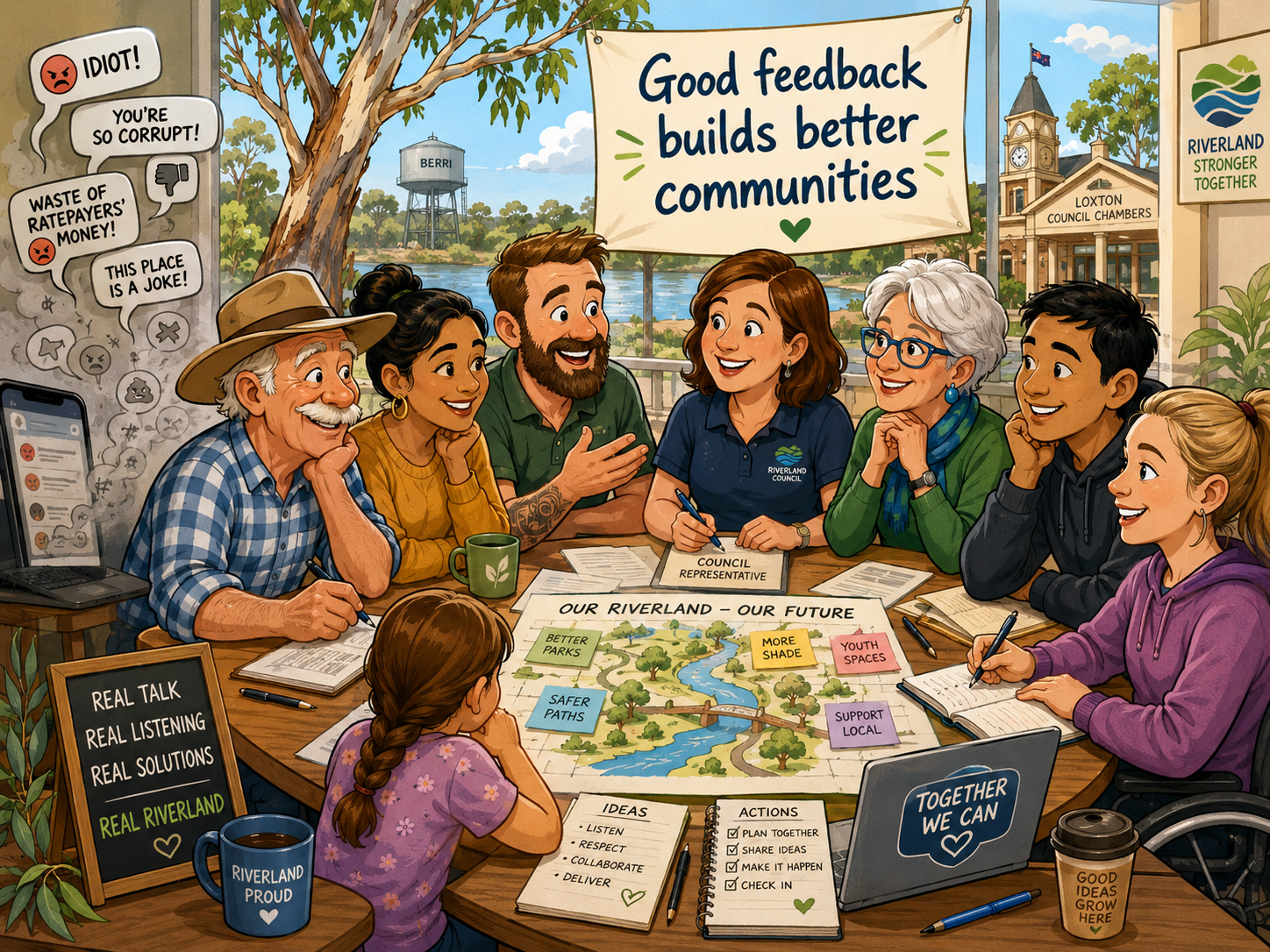
But there is a difference between criticism and abuse.

Council staff live in our community. Councillors live in our community. We shop in the same shops, drive over the same potholes, pay rates and charges, attend the same sporting clubs and hear the same concerns around the supermarket aisle.

Nobody involved is perfect, and neither are the plans.

However, posting insults, accusations and recriminations without reading the information does not fix a road, renew a wastewater pipe or reduce Council debt. It merely creates more noise around decisions that are already difficult enough.

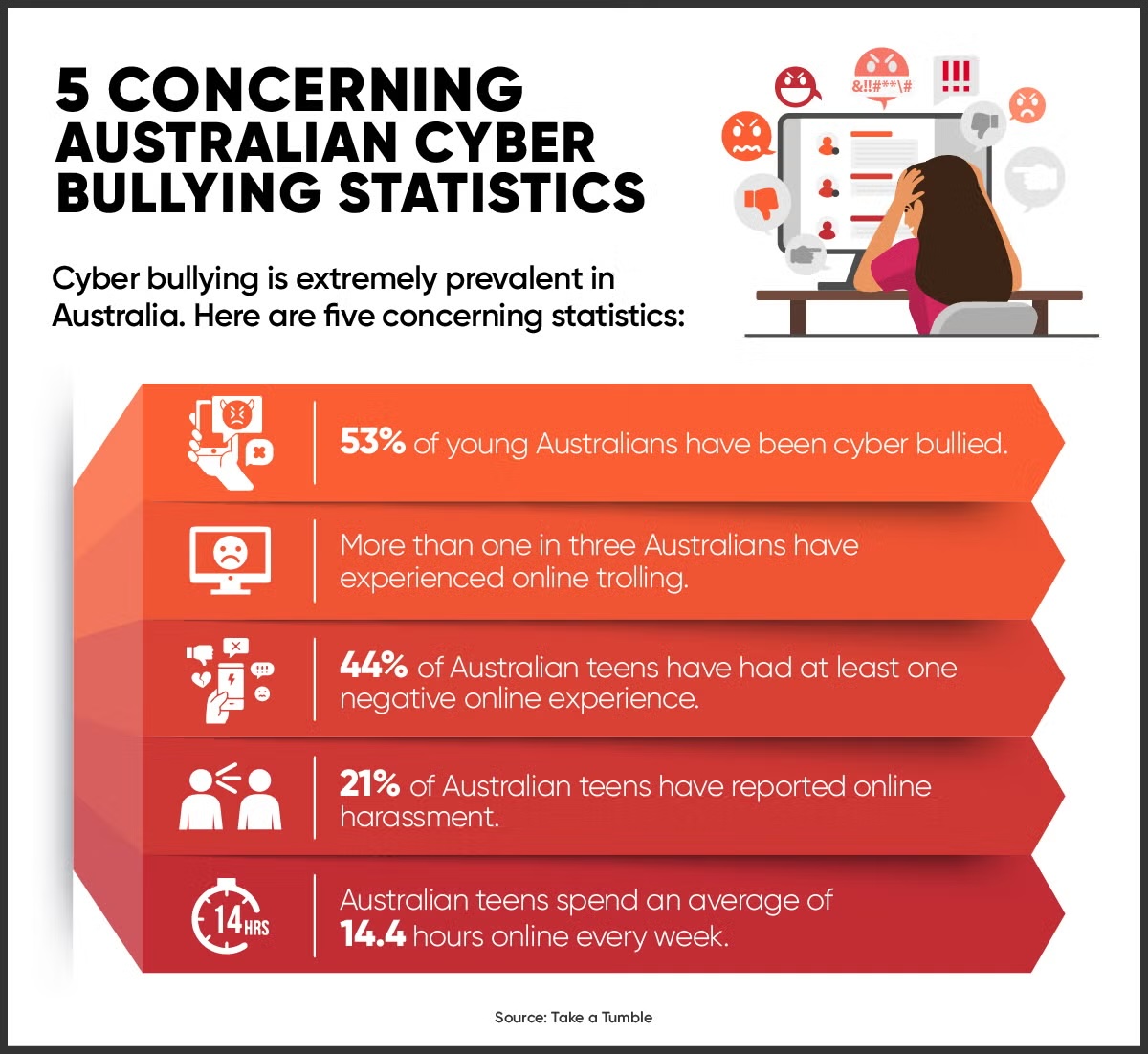
I prepared these guides because I am tired of seeing serious community discussions reduced to anger, personal attacks and claims that anyone who disagrees must be corrupt, incompetent, entitled or somehow opposed to the interests of the Riverland.

We can do better than that.

You may agree with my interpretation of the plans. You may disagree completely. That is democracy.

All I ask is that people look at the information, consider the choices and contribute respectfully.

The Riverland was built by generations of people who worked, volunteered, argued, compromised and occasionally admitted that somebody else may have had a reasonable point.

Perhaps we could try a little more of that.

Read the Community Guides

The Bike I Earned, The Lesson I Learned, And The Story That Will Not End When The Paper Is Wrapped Around Food Scraps

Well, here we are.

The ABC has had its say, the Murray Pioneer has had its say, and the community has had the opportunity to have its say, although I must admit I have been pleasantly surprised that, to date, I have not been attacked on social media.

Time will tell, of course, because people who believe they have ammunition, do have a remarkable habit of eventually pulling the trigger, or throwing the hand grenade, especially when a keyboard gives them the courage and protection that a face to face conversation doesn’t.

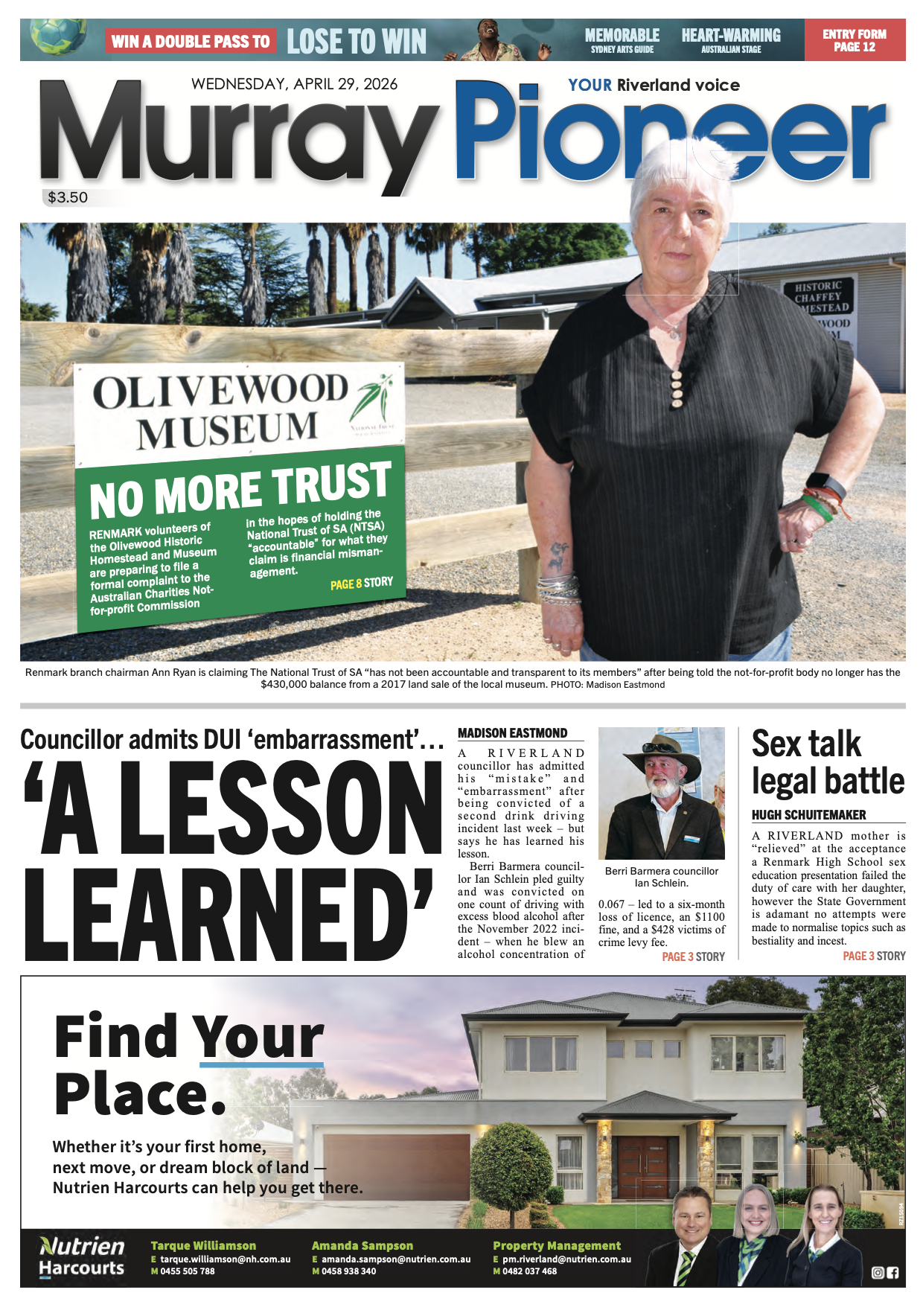
But before anything else is said, the central point remains simple. I drove over the prescribed limit, I pleaded guilty, I was convicted, I was fined, I lost my licence for six months, and I accept all of that.

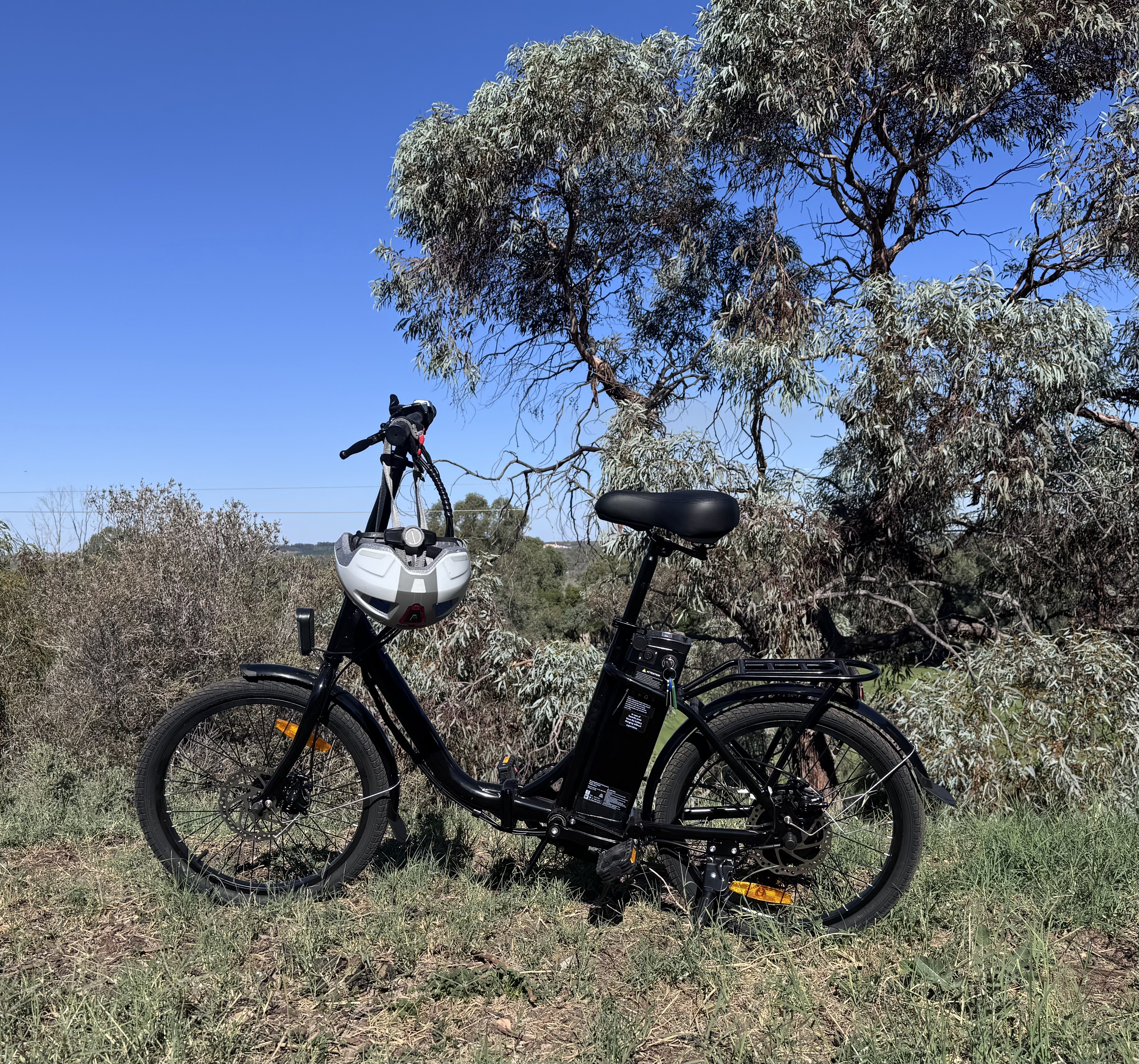
There is no clever sentence, no media criticism, no public explanation, no personal history, and no amount of reflection that changes the fact that I got it wrong. I have said that before, and I will keep saying it, because accountability is not a line you say once in the hope people move on. It is something you carry, and in my case it now has two wheels, a helmet, and the real possibility of being humbled by headwinds and magpies.

Yes, this is the new bike.

For the next six months, when people see me riding around Berri, Barmera, or wherever my legs and remaining dignity can take me, they should consider themselves lucky they are not me. That is the reality.

For the media, this may be a story. For readers, it may be a few minutes over coffee. For Facebook, it may be a potential bonfire, although so far the matchbox has remained surprisingly closed. For me, however, it is now daily life.

That is the part easily missed in a headline.

The ABC moves on. The Murray Pioneer moves on. The newspaper eventually finds itself wrapped around food scraps, sitting in a recycling bin, or lining the bottom of the cocky cage. The social media attention, if it comes, will also move on, because outrage has a short attention span and a very busy diary.

But I will still be without a licence and working out how to get to Council duties, community commitments, appointments, family obligations, seeing friends, just going out for a meal and all the ordinary things most people do without even thinking about it.

That is the real consequence. It is not a 20 second news grab or a headline. It is not a public shaming exercise that ends when people get bored. for me it is every day, for six months, and I accept that because consequences are supposed to be inconvenient.

I also want to be clear that I am not asking for sympathy. My website is called Being A Better Man, not Being A Perfect Man, Being A Saint, or Being A Bloke Who Has Never Stuffed Anything Up And Would Like A Certificate Of Achievement.

The point has always been growth, reflection, humour, humility, resilience, and trying to make the next decision better than the last one.

This time, I learned the hard way with a six month daily calender reminder attached to it.

I also want to acknowledge the Berri Barmera Council’s response. The Council has nothing to justify for my conduct, and I agree with the position that has been taken.

I remain able to perform my duties as an elected member. Not having a driver’s licence does not prevent me from reading agendas and documents (about 80% of a Councillor’s life!!), attending meetings, asking questions, representing residents, considering risk, challenging decisions, supporting good governance and financial management, or doing the work I was elected to do.

It makes some of the logistics harder, but it does not make my commitment weaker and my promise to be transparent and accountable thrown out with last weeks Murray Pioneer.

That matters to me, because I did not stand for Council to be popular, comfortable, or decorative, and I can tell you the $15,000 a year allowance gets burned quickly in time, transport and stress. I stood because I believe local government matters, community service matters, accountability matters, and because I would rather be in the arena trying to do something useful than sitting safely outside it throwing cheap advice at those who are.

This week has also reminded me of something about public life.

Some people will judge fairly. Some will judge harshly. Some will wait quietly to see what happens next. Some will be kinder than expected. Some will be worse than expected. Some will read the whole story. Some will stop at the headline and feel fully qualified.

But I will not let one serious mistake define the whole of me.

I am also a proud father, a proud former Police Officer, a proud former Detective, a mental health advocate, a councillor, a community volunteer, a traveller all over the world, a writer, a frontend loader/backhoe driver and someone who has been through enough difficult chapters to know that shame only wins when you hide from it and let it build into crippling regret without a lesson attached.

I have also not hidden in the preceding three years on Council. I have replied to many social media posts, putting my direct phone number and email address on social media and invited people to contact me directly. To date, I would estimate I have done this 50 times, and to date, not one person has taken up that offer, which says something about how public debate now works.

It is easier to post than to talk.
It is easier to accuse than to ask.
It is easier to throw stones from behind a screen than to have a proper conversation with a real person.

As for the Murray Pioneer, I appreciated the respectful conversation I had with the editor, but I still think there is a fair question about journalistic depth when an article appears to lean heavily on the ABC report, my letter, and my blog, with the ancient and noble craft of copying and pasting apparently still alive and well in local journalism.

I understand why I was named. I am an elected member. I expect and accept public interest.

But I also noticed that two other drink driving matters were reported in the same edition without names, including one involving a higher reading. I am not saying those people should have been named. I am saying consistency and context matter, particularly when reputations, public confidence, and fairness are involved.

So where does this leave me?

It leaves me remorseful, accountable, embarrassed, punished, and still standing. It also leaves me riding a bike.

There may even be benefits. I may get fitter. I may feel closer to nature. I may discover parts of town I normally drive past. I may also discover that nature includes wind, rain, flies, magpies, uneven roads, and the quiet public humiliation of arriving somewhere sweaty when everyone else arrived by air conditioning.

So if you see me on the bike, wave.
If you want to talk, stop me.
If you want to criticise me, that is your right, I have earned some of it, but, expect a reply.
If you want to understand me, ask me, talk to me, get to know me.

This matter is not over for me because the articles have been printed. It is not over because the court has spoken. It is not over because the headline fades. It continues every day for the next six months and into the future when I’m driving again. It is all, not really about the driving….?

The point of a consequences… is they often keep on giving….

I wish I had learned the lesson before I had to live it…

Now I will live it…

With my personal strength, resolve, integrity and character in tact….

and… a helmet on my head! And, knowing my luck, probably into a headwind in the pouring rain!

A Big Night Out, may just be tomorrow’s mistake.

There is a quiet confidence people have when it comes to alcohol, and it usually sounds something like this. “I’ll be right.”

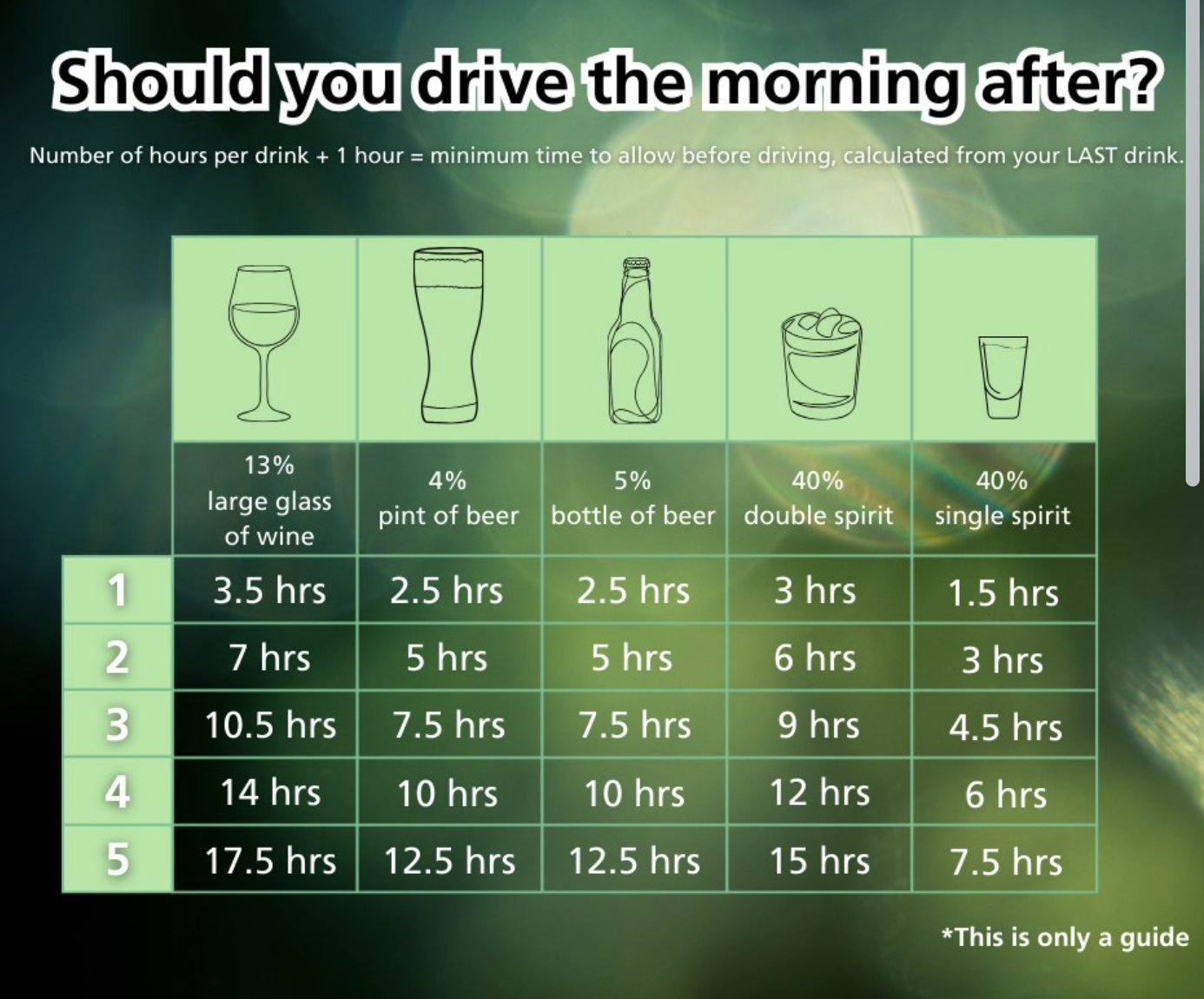
Two drinks, maybe three. A bit of food. A good sleep. A coffee in the morning. A shower to freshen up. A quick self-assessment based on how you feel, and off you go, convinced that you have successfully navigated what you believe is a fairly simple equation.

The problem is, it is not an equation at all. It is a guess, dressed up as logic.
(Note bottom right corner of the image below?!)

My offence involved residual alcohol from the night before, and while that does not excuse anything, it does highlight something that I think is worth saying clearly. Alcohol does not leave your system according to your opinion of how it should behave.

It is affected by your body, your metabolism, what you drank, how much you drank, what you ate, how you slept, your health, your age, and probably a few other factors that most of us never consider when we are confidently deciding that we are “fine.”

That feeling of I’m okay saw me blow 0.67 at 6:45 am in the morning after 8 hours sleep, a shower, a coffee and good feeling about the day I was setting out to conquor.

The Reality Most People Ignore… including the ‘past me.’

Government advice gives general guidance, and it has its place, but it is not a personalised calculation. It cannot be. It is broad by necessity, and people tend to take that broad advice and narrow it down to suit themselves. It’s like sending a text advising someone that something is VERY IMPORTANT! You send the text, and upon pressing send in your mind you have discharged all your responsibility.

That is where the problem starts.

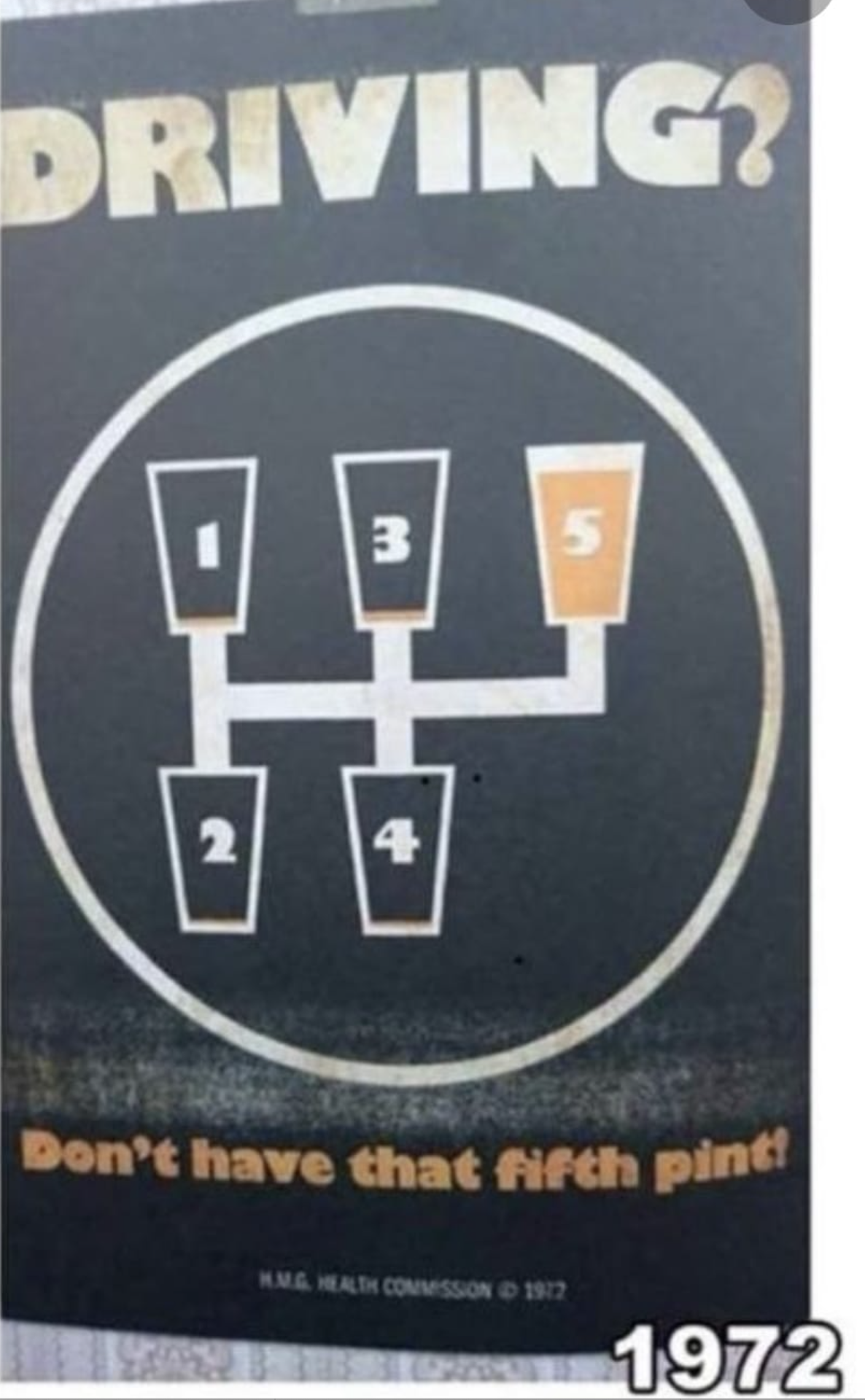
The only truly safe position is simple, and I say this now with the benefit of experience I would have preferred not to have had. If there is any doubt, do not drive. That is not dramatic. It is not over the top. It is just practical. With all the education we are provided through fear campaigns, with all the guidelines, such as the old slogan ‘four men and women two’ it comes down to our choice.

I learned that lesson the hard way, and I would much rather someone else learn it the easy way by reading this and thinking twice the next time they find themselves doing the same mental arithmetic I did.

There is a a lesson here of great humility in what happened to me. It is not a pleasant realisation, or one without public embarrassment, personal shame or moments of profound regret.

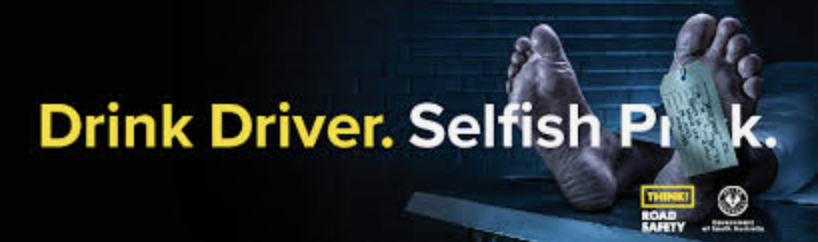
What’s more I am not a ‘selfish prick’…. notwithstanding the sexist implications of this government led ‘band-aid’ campaign. I am sure everyone has a story where they ask the Police to ‘breatho’ them and have been refused.

My Experiment: When I was doing drug and alcohol testing in the workplace (Yes, I know the irony…) and after I got pinched the first time for drink driving. I sat around the table with a group of mates for a ‘test.’ I had very expensive accurate alco-testing equipment. We all had one full strength beer over 30 minutes, waited 10, and tested. I was approaching 0.04. Two mates were still zero. One was 0.01 and another 0.02. This turned out not to be a test, but a realisation that the ‘BIG MISTAKE’ of driving over the limit was different for all of us.

Advertising campaigns by the Government, the Police etc. etc, are not education campaigns, they are scare tactics based on sound science BUT that is grossly different science for each of us.

I have now learned that my body dissipates alcohol at a rate far, far slower than others. I learned the hard way and never tested for it when I had all the equipment. Why would I?

I fell for this fallacy…..

I had a few drinks the night before, in the morning I was feeling great, I had a good nights sleep, a shower and a coffee. I was ready to take on the day.

In the end, it was me that was just taken down.

I don’t know what the solution is. I know it’s not calling people pricks.

(Not written by AI – © Ian Schlein)

Drink Driving, Shame, or a True Realisation?

It became obvious to me when the ABC decided to report on my recent conviction for drink driving that I will be subjected to some changes in my life.

The obvious one of not being able to drive is initially the penalty that I will bear in addition to the $1100.00 fine.  These are practical and financial matters that all of us must deal with in a myriad of areas and ways in navigating a more and more complex world.

The ‘splashing’ of my name, my crime, my personal life and health challenges was a little more than I expected.  Especially considering the ABC saw fit to include it on the national reporting site.  It was a surprise when a friend called me from Queensland to say they saw it on the ABC.

Well, here is the thing for all to see. (click here)

I made a serious mistake, and there is no clever sentence structure, legal nuance, or carefully chosen word that makes that any less true.

There is no “yes, but…” sentence here. There is no “but.” There is only the bad decision and the consequences that follow it.

The reading was low range. That is largely irrelevant in the bigger picture, because low range still means over the limit, and over the limit still means I made the wrong call. I have spent a lifetime telling people that the small decisions are often the dangerous ones, because they are the easiest to justify to yourself in the moment.

What has surprised me is not the penalty, and not even the inconvenience of losing my licence, although I will admit that will test my patience and my planning and lead to many, many frustrations.  Frustrations which I hope will become indelible in my future thinking and decision making. What has surprised me is how quickly my mistake of some three years ago, became newsworthy today.

The uncomfortable truth sitting at the centre of all of this, is not if I acknowledge my mistake, my crime, ignorance, any remorse, shame or guilt I may feel, but, how can this be weaponised for greater entertainment and outrage.

I have seen the consequences of poor decisions on the road, and perhaps I will now further bear the poor decisions of those who subscribe to this entertainment and outrage.

I do not expect a free pass. If anything, it makes the mistake harder to accept, because I cannot pretend I did not understand the risk and the greater consequences coming my way.

Australia loves a ‘hero’ whether in combat, on the sporting field or the neighbour pulling a cat from a burning building.  But Australia, particularly our paid Merchants of Misery, the Media, love nothing more than tearing someone down, particularly when they are vulnerable, when they are down, when they really need a mate more than an attack.  But, the world has, and is changing, Australia has, and is changing.  

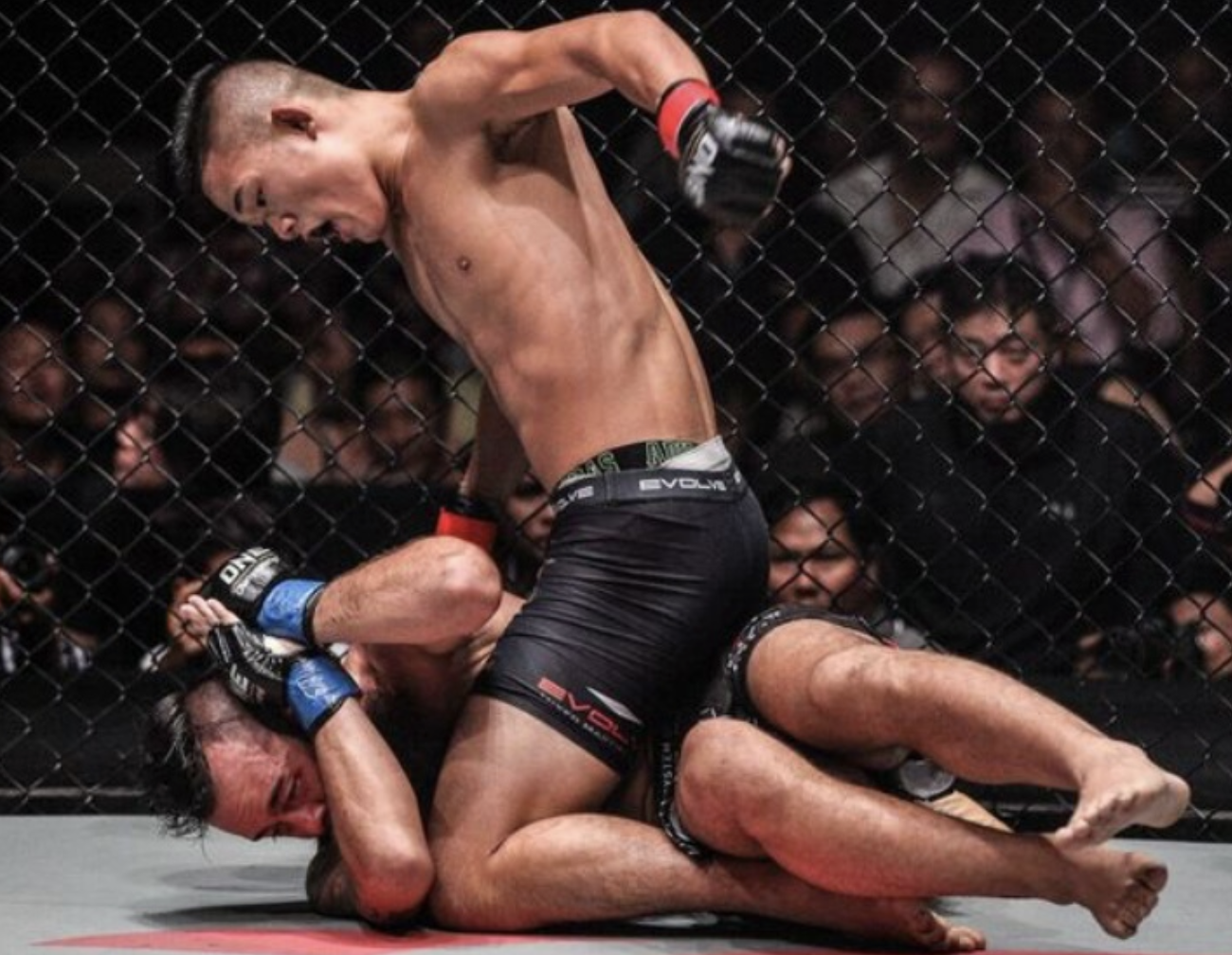
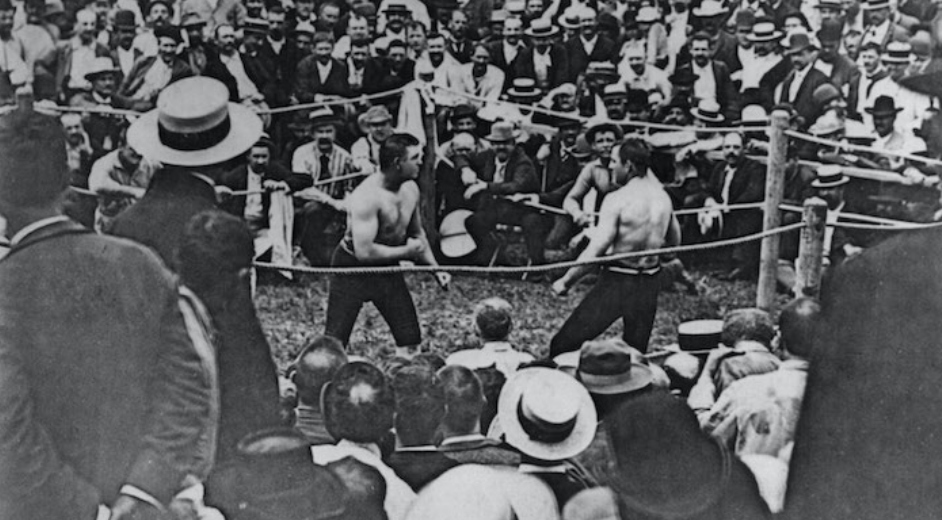
When the Queensberry Rules are thrown out the window in the Mixed Martial Arts ring, and when it becomes okay when someone is down, to give them a kicking and a few late punches, to finish them off, it time to review the rules.  Perhaps it is time to walk that mile in another’s shoes, to look in the mirror and be grateful, be thankful that by luck and perhaps the grace of a higher power, there go I. 

This is not written for sympathy. I am not interested in that. This is simply me putting my hand up and saying that I got this wrong, and that matters.

There is one thing that I have always managed through great adversity; it is much like what training does for the pugilist, it gets me down to my fighting weight.

(NOT written by AI – © Ian Schlein)

GAY, TRANS, CIS, BLACK, WHITE, BLUE, GOD, CHURCHES, LIBERAL, LABOUR, GREEN, THAT, THIS AND WHAT’S THE POINT, WHO ARE WE?

The Label Drawer

Somewhere along the line, we all got handed a little label maker and told it was “personal growth.”

Gay. Trans. Cis. Straight. Non binary. He him. She her. They them. This. That. The other. And if you do not pick one quickly enough, someone will kindly offer you a set like a waiter listing specials.

And look, I get it. For a lot of people, those words are not decoration. They are survival. They are belonging. They are the way you find your mob when the world has been rough. I am not here to take that away from anyone.

But I am here to ask a blunt question: why is the label so often the first thing we ask for, like it is the password to the real conversation?

Who Are You When Nobody’s Watching?

Here is my problem. Labels can be useful, but they are terrible at doing the job they keep getting hired for. They do not tell me if you are kind. They do not tell me if you apologise when you are wrong. They do not tell me if you are safe to be around when things get messy. They do not tell me if I call and 3.00 am you’ll come?

They do not tell me how you got to here?

And that is what I actually want to know.

What did you crawl through to get here? What are you proud of that nobody claps for? What do you hope for when your head hits the pillow and the day is finally quiet? What do you want to build, or fix, or protect? What makes you laugh so hard you snort and then pretend it was a cough?

Tell me about the dream you have not said out loud because it feels too big. Tell me about the grief you carry like a constant dead weight in your pocket. Tell me about the time you were brave and nobody saw it.

That is the stuff that makes a person. Not a checkbox.

Pronouns, Tribes, and the Great Human Hunger

I am not offended by pronouns. I am not terrified of identity. I am not declaring war on anybody’s flag.

I am just saying that sometimes it feels like we are collecting categories the way kids collect footy cards. Got one. Need another. Rare edition. Signed. Limited release. And, it just ends up in the box with the rest. No really adding to my life, just sitting there to show once in a while to show I have something you don’t.

We are starving for belonging, and we keep trying to eat it through labels. We keep trying to connect by pushing people in and out of a group.

But belonging is not a word. It is behaviour. It is how you treat the barista when your coffee is wrong. It is how you speak to your partner when you are tired. It is how you act when nobody is recording you, and there is no applause, and you could get away with being a dickhead.

If you want to tell me who you are, tell me what you do when you have power, even tiny power. Tell me how you handle anger. Tell me how you handle someone else’s pain. Tell me what you do with your attention, your money, your time, your words.

Because character is identity with receipts.

What’s the Point?

The point is simple. I want a world where the first question is not “what are you” but “who are you.” I practice saying when I meet people for the first time, not “What do you do for a job?” But, “What do you love to do?”

I want conversations where we do not lead with a label and end with silence. And, when we don’t agree the winner is the one that yells the loudest and blames the other. I want friendships built on curiosity, humour, honesty, and the strange miracle of being two humans who both made it through their own storms and still have the nerve to hope. And the understanding that hatred is a disease not a source of energy. And anger need only the addition of one letter to always signify “D anger.”

Maybe if we get good at seeing the person first, we can make someone’s day a little lighter. Maybe we leave a place better than we found it. Maybe we leave a person a little happier, or at least a little less alone.

So yes, be whatever you are. Call yourself whatever helps you breathe. I will respect it.

And then, once that part is done, come closer and tell me the real story.

Tell me your story, without fear or favour, with heart and truth. Tell me, who are you?

Australia Day. Big Fruit, Bigger Feeling and the Bit Where Everyone Yells!

Australia Day rolls around and I feel two things at once.

I feel proud. And I feel… careful.

Proud, because I love this country. Not in the loud, chest-thumping way. In the quiet, lived-in way. The way you love the place that gave you your first breath, your first scrape of gravel on a knee, your first job, your first heartbreak, your first mates, your first “how ya going?” from a stranger who meant it.

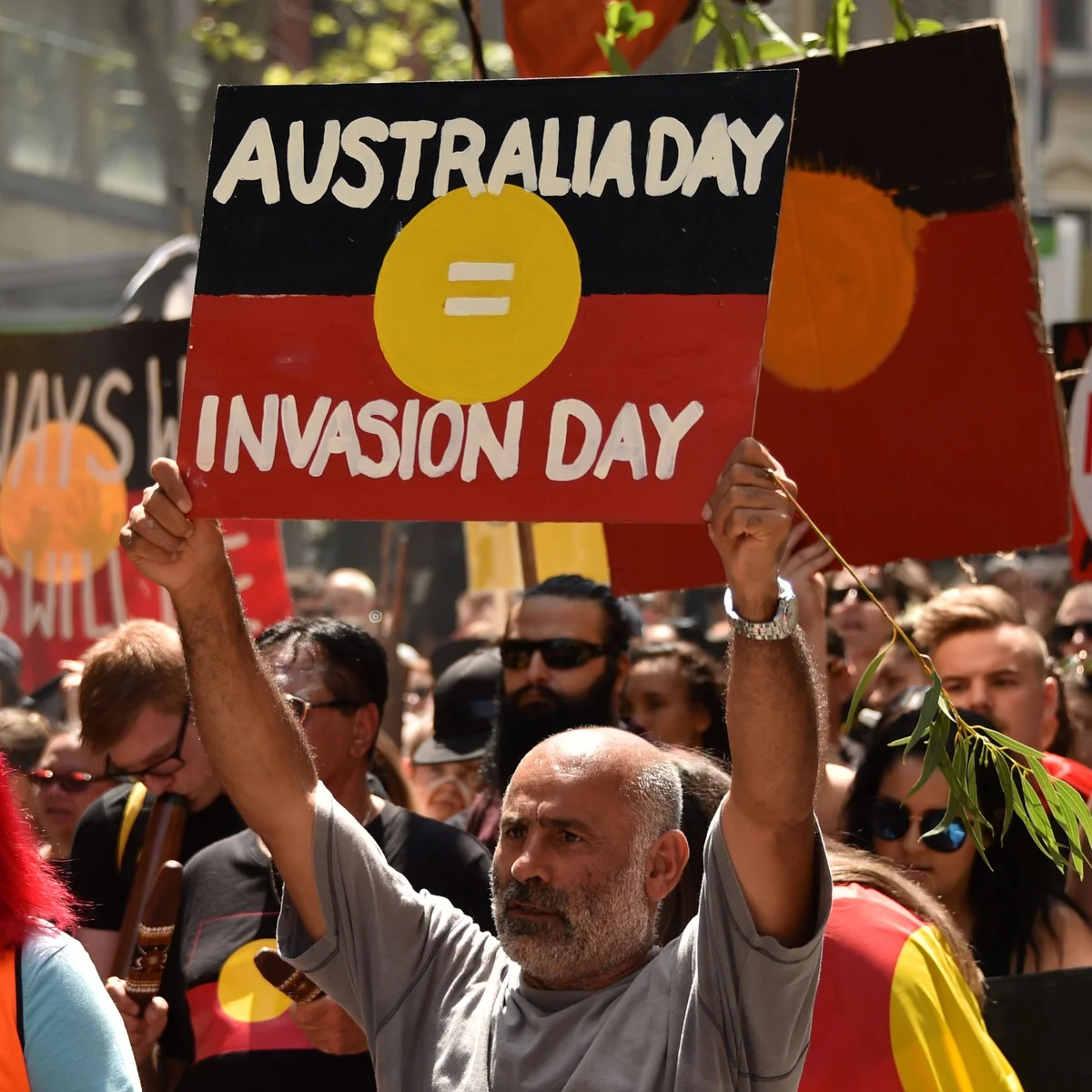
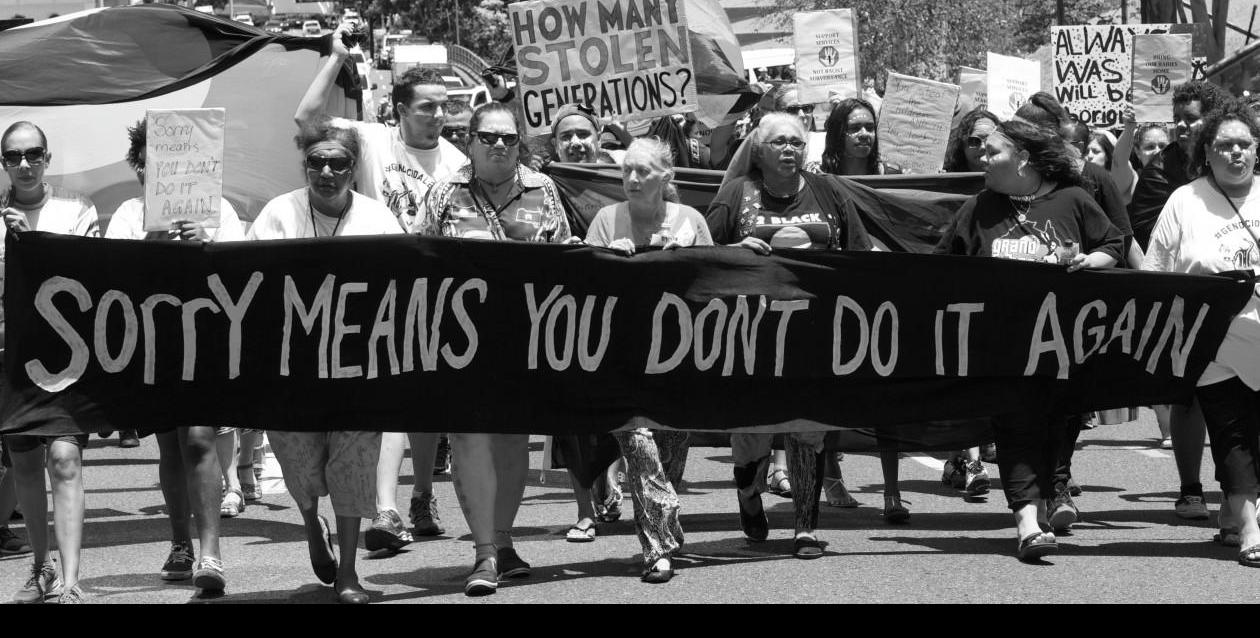
Careful, because I know there will be protests, and I know the words will be sharp: “Invasion Day.” And I get why people feel pain. I’m not blind to history. I’m not trying to sandpaper the past into something comfortable. I know settlement wasn’t always kind. I know terrible things were done. I know Aboriginal people have had a hard go of it since western settlement, and that’s putting it politely.

But here’s the hard bit for people like me: I didn’t do that.

I was born here. So were my mum and dad, my birth mum and dad, and my adopted mum and dad too. I didn’t arrive on a ship with a musket and a flag. I didn’t write the policies, run the missions, make the removals, or sign off on the “experts” who thought they were doing good while causing damage they didn’t understand.

And, I know something else that doesn’t get said much: history can hurt more than one way, to more than one group, for more than one reason.

I was adopted. And there were hundreds of white kids taken from white mothers too, because once upon a time it wasn’t acceptable to have a child out of wedlock. Authorities

thought they were doing “the right thing.” Same story, different uniforms. It came with consequences no one wanted to look at until much later. Pain doesn’t check your skin tone before it arrives. It just arrives.

My pain, your pain, doesn’t cancel anyone else’s pain. It doesn’t compete with it. It just sits alongside it and says, “I’m here too.”

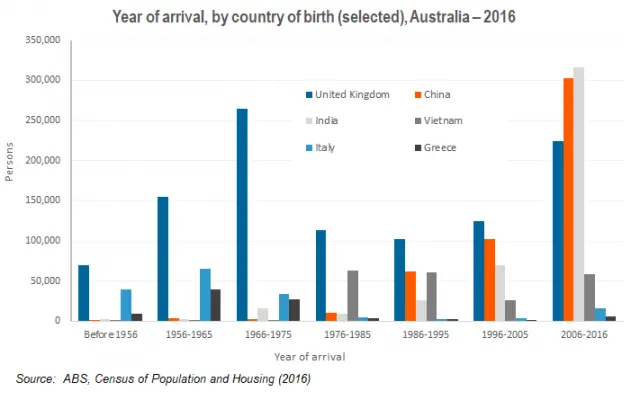
And then came more people. The Chinese. The Afghans. Yes, the camel men, the ones who helped open up the inland and left a legacy most of us never learned properly at school. Those camels are still out there, tough as old boots, so good we even sell them overseas now. Then the ten-pound poms. Then Greeks and Italians. Then Vietnamese, the people who came here after we’d just fought a war with their homeland… or a “police action,” depending on who’s writing the headline.

All of that is part of us now. That’s not a threat. That’s the miracle of it.

So when someone calls me an invader, I don’t get angry first. I get confused. Because, I’ve spent my whole life trying to do what I thought Australians do.

I thought being Australian meant you were a bit of a larrikin but you turned up when it counted. Brave when you had to be. You stood up for people who couldn’t stand up for themselves. You looked after the sick, the weak, the lonely, the person who didn’t fit. You said please and thank you. You gave everyone a fair go, until they betrayed you, and then you said, “Sorry mate, can’t do it,” and you moved on without carrying hate around like a backpack full of rocks.

I thought we were the people who tell the truth and still be mates afterwards.

We built things. We explored. We farmed. We grazed. And we farmed and grazed in some of the harshest country in the world; and we thrived. We carved towns out of dust and stubbornness. We also built the kind of country where someone can have a laugh about a big guitar, a big prawn, a big boot, a big merino! Where I live we even had a big orange that went broke. Honestly, these things are so Australian they should be on the coat of arms next to the kangaroo and emu. We can’t even keep our giant fruit financially stable, but we’ll die trying. That’s our brand.

We also fought wars. For allies, for mates, and sometimes because we were told it was the right thing to do. We defended our own northern shores. People died. Good people. Young people. People whose names still sting when you read them on a plaque. We remember them “at the going down of the sun”… and in the morning too, whether anyone’s watching or not.

So, why do so many of our young people now look at service in defence, police, emergency services, even community leadership and go, “Nah”? Maybe it’s more complicated than one reason. But, I do wonder if part of it is this? We’ve become a country where you can get shouted down for loving the place that raised you. Where pride gets treated like a crime scene. Where people who never carried the weight of service are sometimes the loudest voices. Voices, telling everyone else what they must say, what words they must use, what feelings they’re allowed to have.

And that leaves blokes like me, and plenty of women too, feeling a bit lost. Not hateful. Just… lost.

I’m a self-funded retiree. No concession card. No special deals. No freebies. I am not whinging here just stating the facts. I worked, I paid taxes, I put a few dollars away. I wanted a quiet retirement and to give something back. Not because I’m after applause, but because I’m grateful. I’ve served as a cop, 38 years, my youth gone on years of shift work and missed

Christmas lunches, walking the New years eve street breaking up fights not raising a beer, birthdays, my kid growing up and a few days in hospital getting stitched up. I’ve served in the community because I saw the purpose of duty and fulfilling an oath. I now serve as a local elected member on our local council. Yeah, I get paid. I worked out the hourly rate for the hours I do and it works out to be about. $3.50 an hour. And I don’t reckon I do enough. I put up with the jibes, derogatory comments, attacks and complaints from those that have never served. The parochial who’s depth and breadth of their experience doesn’t extend beyond the next town.

I’m not asking for a medal, because I never got those either. I’m just asking to feel welcome in my own home, my own town, my own country.

Because, I can’t feel guilty for something I didn’t do.

I’ll never apologise for somebody else catching influenza. I will say a heartfelt, “I’m sorry you’re going through that.” How can I’ll help you get better if you’ll let me. That’s what mates do. That’s what humans do when they’re at their best.

And that’s what I want Australia Day to be.

Not a day to deny the past. Not a day to weaponise the past. Not a day to point fingers like we’re all standing in some moral courtroom. But a day where we can say:

  • Yes, some things were wrong.
  • Yes, some people carry pain that deserves respect.
  • Yes, we can tell the truth without tearing each other apart.
  • And yes we can still love this country.

Because loving Australia doesn’t mean pretending it’s perfect. It means believing it’s worth the effort.

I want a country where Aboriginal kids feel proud and safe and strong, not just “acknowledged.” Where culture is treasured, their communities are supported properly, and their voices are respected, not used as political footballs.

I want a country where migrants feel like they belong without having to erase who they are. Where difference isn’t feared, but it also isn’t forced into categories that divide us for sport.

And, I want a country where people like me can stand up on, January 26, or whatever day you choose and say, “I love Australia.” Because its not the date, it’s the sentiment that matters. And suing those words does not mean you are treated like a villain.

Because Australia Day, to me, isn’t about conquest. It’s about celebrating our home.

It’s about the weird, stubborn, generous, flawed, funny family we’ve become and the choice we have, right now, to keep choosing each other.

So this year, if you’re celebrating, celebrate with kindness. If you’re mourning, mourn with truth and forgiveness. If you’re angry, aim it at the systems that failed people not at the bloke next door who’s just trying to understand where he fits.

And if you see someone who looks like they’re walking around with a bit of quiet sadness under their smile, maybe just do the most Australian thing you can do:

Say ‘G’day mate, how ya going”. Offer a chair and have a chat.

Have a beer. Have a laugh. Tell the truth gently. listen more than you speak.

And then together let’s get on with the job of being Australians who smash it, not by shouting over each other, but by lifting each other up.

Because the past matters.

But so does what we do next.

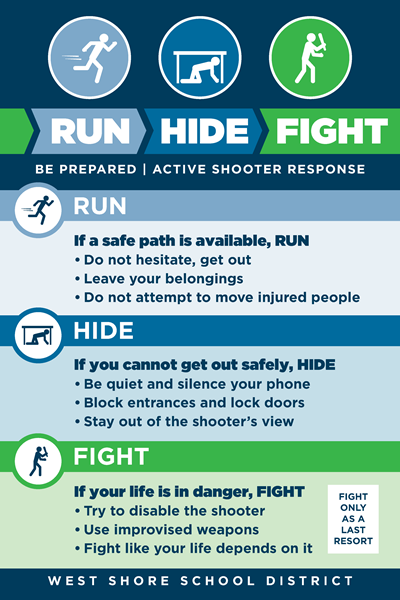
Run – Hide – Fight – The ‘Active Shooter Strategy’

The ‘Run – Hide – Fight – Active Shooter Strategy’ is actually taught in schools in the United States. As you can see at the bottom of the poster on the left, it is from a school in Pennsylvania US and is on the schools’ main web page!

I always thought this was sad and tragic?

After the sadness created through the tragedy that happened in Bondi in the last week with 15 people murdered by terrorists,

I think it is time we have a look at our ‘mindset.’

And, I’ll try and do it quickly and with just the basic info? There is a lot of movies that make survival look like its the tough who survive. But, in reality it is the smart, with a whole lot of luck.

I often ‘test’ people and say “What is the First Rule of Survival?’ (I wrote a post about all the rules if you want to have a look – click here)

And, I usually get some good answers, find water, find shelter etc etc. But, like a lot of things, the first rule is obvious and people go “Oh Yeah’ when I tell them but people don’t follow it. Most people don’t think it will happen to them, and when it does it’s often, too late?

The first rule of survival is ”DON’T GET IN A SURVIVAL SITUATION IN THE FIRST PLACE.”

Just by reading this post you have exponentially increased your chances of survival in numerous situations. Firstly, by the ones you avoid and perhaps having a little more thought before saying ‘Hey, hold my beer, watch this’ or heading off into the bush, or out in the boat, by getting a fire extinguisher and first aid kit for your car, having a fire evacuation plan for your home, etc etc

The ‘Active Shooter’ scenario is just something we hope will not happen again, but….?

One simulation study using agent-based modelling (look this up – it’s really interesting for working out probabilities?) suggested a survival probability of over 92% for individuals who focused solely on running away, compared to only about 5% for those who solely hid.

Most people will ‘hide’ where they first become aware they are in danger. Under a table, lying down on the ground. These ‘hiding places’ often don’t provide cover or concealment.

’Cover’ is behind something that will protect you from gunfire. ‘Concealment’ is something that will ‘hide’ you but wont stop gunfire. Cover and concealment is the answer; but in the moment how do I find that!?

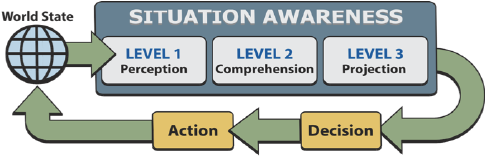
You find it because you know it before the danger arrives by being ‘situationally aware.’

There is not one cop I know who doesn’t think about ‘what if there is a hold up’ every time they walk into a bank?

When you are ‘aware’ of what is happening, if you are in danger, particularly an active shooter situation, you have to ‘respond, not ‘react.’ A ‘reaction’ may actually put you in more danger. By having a route of escape that does not put you in more danger than hiding you are ‘responding’ and making a conscious decision. Remember there is ‘cover’ that will protect you from gun fire and there is ‘concealment’ which means that you can’t be seen but your ‘concealment’ probably wont stop a bullet. You will need, cover, concealment and a route of escape.

I think we’ve all done it. Walked around in a day dream or our head in our phone. I think we’ve all nearly ran over someone who just stepped off the kerb without looking. Situational Awareness is not walking around ‘ALWAYS READY!!!’, it’s just not walking around oblivious.

Also, often when a lot of people run away from danger you have the real possibility of creating a ‘mob stampede’ in which people get injured or killed by the crowd and not the threat. In these situations is not about being the ‘coward’ who ran away, or the ‘hero’ who stayed and fought, it’s about working together and helping each other. Make that your catch phrase if you are in one of these situations. Yell it out “Work together, help each other.” Humans are best when they do that.

I hope you never have to use the information I shared here, other than to stop yourself getting run over, and perhaps see the world a little clearer. And, mostly, not get in a survival situation in the first place.

Some Alone Time at Christmas

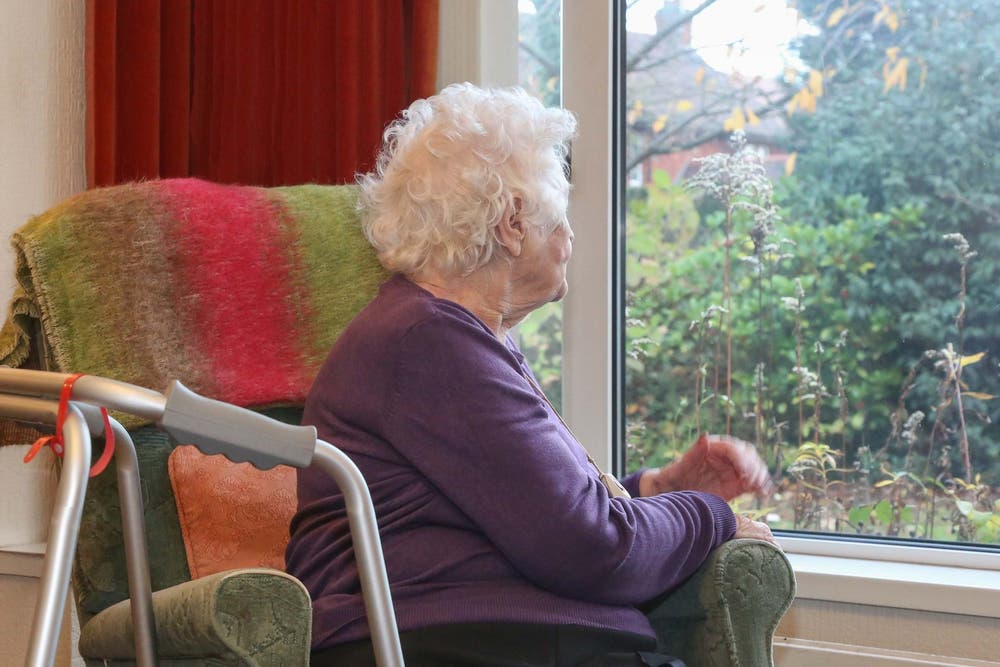
I think about loneliness sometimes.

Not my own, as I rarely get lonely. I’m more likely to get lonely in a crowded room where everyone is wasting my time?!

When I think of loneliness, I think often of those who may be.

My Mum Gloria lived 25 years after my Father Lindsay passed away. My Nana Cooke lived for 45 years after my Grandfather, Pa died and she had lost both her bothers in World War 1.

I think of loneliness in our culture not as cruel, although it can be, but almost inevitable for most of us; particularly the elderly.

So, at Christmas perhaps don’t be sucked in by the Santa Clause created by Coca-Cola (Look that one up, it’s TRUE! I’ve even given you a link click here!) and spare a thought for those spending it alone.

So, every year around this time year, I start thinking about people who find this time of year hard. I am sure some, perhaps many in today’s world, feel lost, forgotten and some sit in a quiet house while the rest of the world seems to be celebrating.

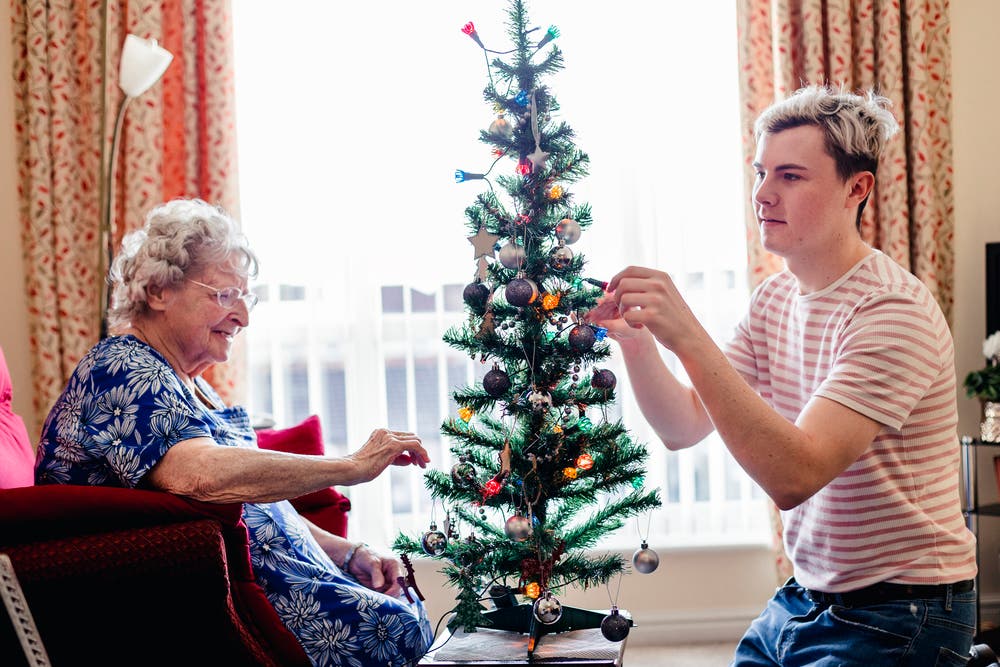
And sometimes the loneliest people are standing right beside us and we never notice. I always remember Robin Williams quote about loneliness:

I used to think the worst thing in life was to end up alone. No. The worst thing in life is to end up with people who make you feel alone,”

I’ve learned over the last few years, when your own heart has broken once or twice, you start to see the cracks in others more clearly. I know what it feels like to hope someone will reach out, because you’re to embarrassed to ask, or worse afraid you do, and nobody comes.

Christmas has a way of magnifying whatever we carry inside, as the lights seem brighter, red and green is everywhere and then that moment when the sadness becomes heavier. And that’s why the real spirit of this season matters. Not the gifts or the lights, but because it’s a chance to remind people they aren’t alone in the world.

That I believe, when you ignore all the commercialism and Santa Clause, just perhaps the entire idea behind this Christmas, is hope.

Whether you believe or not, the celebration is about the birth of a bloke who later on in life would give up his life for the rest of us. It is somehow noble when we think about it in the context of war and quote: “Greater love has no one than this, that someone lay down his life for his friends,”

Just a hint, that is from the bible John 15:13. Bear in mind I’d rather mow a mates lawn than get nailed to a cross: but, you do what you have to do for mates.

Connection doesn’t have to be grand or complicated, it’s a coffee, a phone call, an invitation, or even just asking someone “How you going mate, dont bullshit me? …. And then, the hard part, taking the time to listen to the answer (Not waiting for a gap in the conversation to tell him you’ve got a new TV or you think so-and-so Politician is an idiot!).

I’m not an expert in anything, but, I do know what it’s like to feel broken and to slowly put the pieces back together. I know how powerful it is when someone takes a moment to see you, to check in, to care. I know that loneliness isn’t fixed by speeches or sermons, only by people.

So this Christmas, I’m reminding myself to look around more carefully.
To notice the person who seems a little quiet.
To reach out instead of assuming they’re okay.
To make room at the table, or the shed, or wherever people gather for someone else.

And, today I heard at a lunch with mates, a few saying they were going to ring, or visit someone and that ‘someone’ died before they got to visit them. Think of someone, ring or visit that someone, now! That when you get around to it may never come….

Because none of us get through life alone.
And none of us should have to face Christmas feeling forgotten.

We may not be able to heal every hurt, but we can sure make someone feel seen.
We can remind each other that this world is less cold than it sometimes feels.
And we can offer the simplest Christmas gift of all, connection and our time.

If you’re struggling this year, please know this: You are not invisible, to me, you matter to me, and even in your hardest moments, you are not walking alone.

It’s Jesus’s Birthday, he’d want us to celebrate!